
Adaptive Momentum
Follow the Winners
A systematic, quantitative equity portfolio that invests in stocks showing strong price momentum, stays with them while the trend holds, and exits when momentum weakens.
How Adaptive Momentum Helps
How Adaptive Momentum is Built and Managed
We build a portfolio of up to 30 stocks after applying Momentum, liquidity, and risk-adjusted filters across sectors and market caps.
Volatility-Adjusted Stock Selection
We rank stocks across the investable NSE universe using a volatility-adjusted momentum score, selecting from the strongest performers after applying price, liquidity, and fundamental screens.
Market-Cap Agnostic
We follow momentum wherever it emerges, across large, mid, small, and micro caps and different sectors. Portfolio exposure is determined by market strength, not predetermined allocations.
Systematic Rebalancing
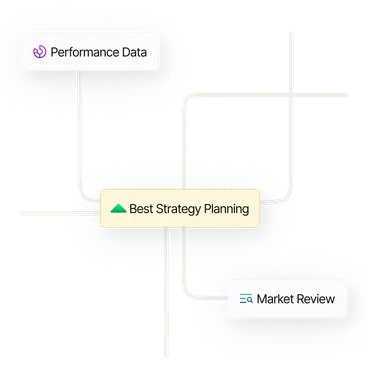
We review the portfolio on a fixed schedule, retaining stocks that maintain strong momentum and exiting those that weaken. Decisions follow predefined rules, without discretionary overrides.
Risk Management by Design
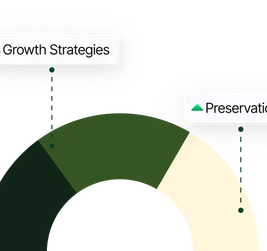
We apply defined position, sector, and business-group limits, along with entry filters to manage risk. Portfolio exposure is adjusted systematically when market conditions change.
Last updated on September 17 2026
Adaptive Momentum vs NIFTY 50 TRI
| Period | Adaptive Momentum | NIFTY50 TRI |
|---|---|---|
| 3 Months | 4.3% | -2.8% |
| 6 Months | 13.2% | -0.5% |
| 1 Year | 2.5% | -7.1% |
| 2 Years | -8.5% | -3.2% |
| 3 Years | 7.9% | 6.1% |
| 4 Years | 9.3% | 8.6% |
| 5 Years | 6.9% | 7% |
| 6 Years | 15% | 13.8% |
| 7 Years | 19.1% | 12.9% |
A 7-year view of Surge India’s periodic returns compared against the NIFTY50 TRI, across market cycles.
Is Adaptive Momentum right for you?
Who is it for?
1. Investing for the long term
You have an investment horizon of at least three to five years and are prepared to stay invested through periods of market volatility.
2. Prefer a Momentum-Based Approach
You want an investment strategy driven by price trends and market behaviour, rather than relying primarily on company analysis or fund manager conviction.
3. Comfortable With Frequent Portfolio Changes
You understand that momentum investing involves higher churn, with stocks entering and exiting the portfolio as trends change.
4. Prepared for Periods of Underperformance
You understand that the strategy can underperform the benchmark for extended periods, even a year or more.
Who is it NOT for?
1. Prefer Buy-and-Hold Investing
You want a portfolio with relatively stable holdings and limited turnover rather than one that responds actively to changing price trends.
2. Expect Most Stock Picks to Be Profitable
You judge a strategy by how often it picks winners. Momentum investing can have many losing positions, relying on larger gains from winners to offset losses.
Keep Up With The Latest
Market & Investment Updates
Keep Up With The Latest
Market & Investment Updates






Frequently Asked Questions

SEBI mandates a minimum investment of ₹50 Lakhs for all portfolio management services, including Adaptive Momentum.
You own stocks directly in your own demat account, with no pooling. Every holding and trade is visible to you in real time. For NRIs and OCIs, PMS also avoids the cross-border tax complications that make Indian mutual funds difficult to access.
You'll receive a Monthly Fund Manager report, along with full visibility into your holdings at any time.
Yes. PMS investments are not locked in — you can redeem your holdings, subject to standard settlement timelines.
Yes, Capitalmind Portfolio Managers is a SEBI-registered portfolio management service.
Book a call with our team, complete KYC and the onboarding agreement, and your portfolio construction begins from there.