
FDA's New Rules Propels Generic and Biosimilar Approvals
Effective January 9th 2017, the US Food and Drug Administration (FDA) has announced an amendment to the final rule ((the rule governs the manner in which FDA handles certain citizen petitions and PSAs that ask the Agency to take any form of action related to an ANDA) that ensures that there is no delay from the agency in approval of a pending generic drug or biosimilar.
The FDA has forever been receiving numerous requests that the regulatory agency not approve a particular ANDA unless certain criteria is met. But what the FDA has realized that most of the petitions have raised scientific and/or legal issues relating to the standards for approval of an application (tactic that some companies have used as a last-ditch effort to protect sales for aging but important products).
By implementing the new rule, the regulatory agency will ensure that the petitions filed against generic versions and biosimilar are not used as a tool to improperly delay their approval.
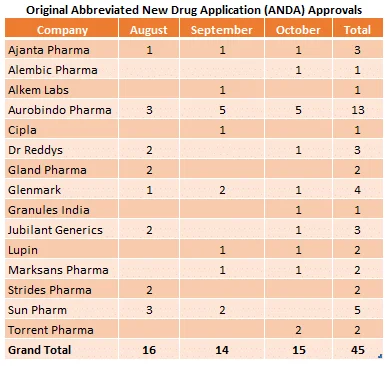
Here are the number approvals obtained by Indian Pharmacos in the last 3 months:

This not only paves the way for companies to bring more generic versions and biosimilar to the market, it also now** reduces the regulations arsenal of big branded drug makers**. The caveat is that the big drug makers can still use the regulatory hurdles to their advantage if they are able to provide legitimate scientific issues that go to safety and efficacy of the generics and biosimilar products.
FDA estimates that the change in rule will result in a** one-time cost to industry at about $613,800 or an annual cost at about $1,700**. The total annualized costs include the administrative cost to review the rule ($87,400) plus the cost for the additional effort preparing certifications for petitions and verification for both responses to petitions and supplements to petitions ($1,700).
This benefits all major pharmacos in India as they target the US markets with cheaper generic versions of multi billion revenue generating products.
